
KI und ML: Testautomatisierung in eine intelligente Kraft verwandeln
 von Rejiram RN am 10. Juni 2024
In der sich ständig verändernden Technologiewelt von heute transformieren KI und ML viele Branchen. Von KI gesteuerte Smart-Home-Assistenten verändern, wie wir täglich leben, während Empfehlungsalgorithmen unser Einkaufserlebnis personalisieren. Dieser Artikel untersucht, wie KI und ML die Testautomatisierung neu gestalten und revolutionäre Veränderungen in diesem Bereich mit sich bringen.
KI und ML in der Automatisierung – Transformation des Geschäfts
Die Softwaretests haben sich erheblich weiterentwickelt, von manuellen Prüfungen zu fortschrittlichen Automatisierungswerkzeugen wie Selenium. Doch die Technologiewelt entwickelt sich ständig weiter und verlangt nach noch intelligenteren Lösungen. Hier kommen KI-gestützte Testwerkzeuge ins Spiel, die das Spiel revolutionieren.
Unternehmen erkennen die Vorteile der Verwendung von KI für die Testautomatisierung. Diese Werkzeuge machen das Testen effizienter, indem sie viele Aufgaben schnell automatisieren, was zu einer schnelleren Amortisation führt. Wenn KI und maschinelles Lernen mit der Automatisierung integriert werden, können Unternehmen intelligentere, zuverlässigere und effektivere Testscripte entwickeln.
Wie transformiert KI die Automatisierungsbranche?
KI löst viele Probleme, denen traditionelle Automatisierungstestmethoden gegenüberstehen:
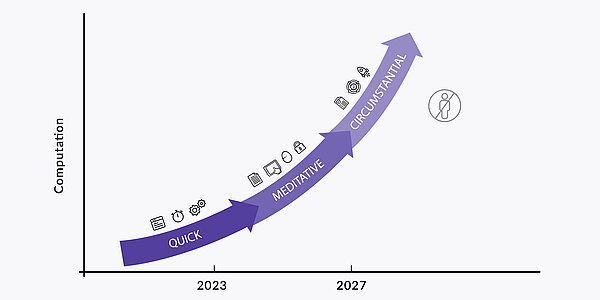
1. Time: AI tools quickly create test scripts automatically, saving time when starting new test automation projects.
2. Changes: AI/ML tools use auto-healing methods to handle application changes, ensuring tests run smoothly without errors.
3.Test Script Coverage: AI algorithms help build regression test sets that adapt to changes, improving test coverage in Agile projects.
Applications of AI and ML in Test Automation
AI and ML have greatly changed test automation, providing new solutions in different areas:
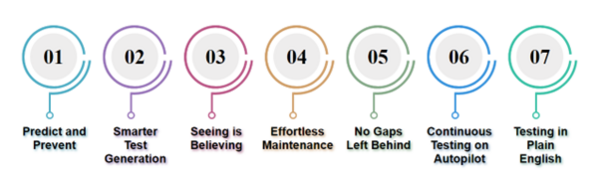
1. Predict and prevent
- Testers can concentrate on high-risk areas during testing due to this proactive approach.
- AI’s continuous learning and adaptation enhance test automation quality over time, resulting in a stronger testing process that identifies defects earlier in development.
2. Smarter Test Generation
- AI tools generate and prioritize tests based on user behavior, ensuring thorough testing of critical functions and paths.
- AI-driven smarter test generation enhances test coverage, reduces manual work, and simplifies automation testing. However, it’s essential to note that AI complements human testers but doesn’t replace them. Testers are still vital for their domain knowledge, test strategy design, and interpretation of test outcomes.
3. Seeing is Believing
- Finding UI Problems: AI tests may have difficulty spotting visual errors on the user interface (UI), such as misplaced elements, wrong font sizes, or unexpected graphical issues. Observing the test execution lets you verify if the AI correctly identified the problem.
- Understanding Test Actions: Watching the test shows how AI interacts with the application. This can uncover flaws in the test script or where the AI misunderstands the UI.
4. Effortless Maintenance
- Self-repairing frameworks: AI-driven tools automatically find and fix broken tests caused by small UI changes. For example, if a button moves on the screen, AI can find a new way to click it without rewriting the entire test.
- Smarter test data creation: AI generates a wider range of test data, improving coverage and reducing the need for manual data entry. This lowers the workload of maintaining test data when requirements change.
- Predictive analysis: AI reviews past test outcomes and code updates to predict which parts of an app are likely affected by new features. This helps testers focus on these areas, maintaining tests before issues arise.
5. No Gaps Left Behind
- Uncover Hidden Corners: AI algorithms analyze test run data to find areas that existing tests haven’t touched. This eliminates blind spots and ensures a more comprehensive testing process.
- Maximize Efficiency: By finding untested areas, AI helps prioritize testing efforts, saving time and resources by focusing on the most likely places for bugs.
- Minimize Risks: Uncovered areas might have critical vulnerabilities. AI’s ability to find these gaps helps prevent bugs from being missed, reducing the risk of post-release issues.
- Data-Driven Insights: AI analyzes test data to spot patterns and trends, allowing for more focused testing based on real usage, leading to a stronger product.
- Continuous Improvement: As the software changes, AI adapts and improves its detection of untested areas, ensuring ongoing, thorough coverage even as the software changes.
6. Continuous Testing on Autopilot
- Continuous Verification: AI can continuously analyze logs from automated tests, providing real-time insights into test results and potential risks. This helps identify and address issues faster.
- Test Optimization: AI reviews historical test data to find redundant tests and suggest improvements, making the test suite more efficient.
- Reduced Costs: Automating testing tasks and optimizing the test suite saves time and resources.
7. Testing in Plain English
- Traditional automation testing needs coding, which can be difficult for non-programmers. With AI, you can write tests in plain English, and the AI converts them into code. This allows more team members to help create tests.
- AI can analyze an application and user behaviour to generate test cases automatically. This saves time and ensures important functions are tested. For example, AI can observe how users navigate an online store and create tests to mimic those actions.
AI-Powered Test Automation Tools
Using AI in automated testing fits well with business logic, improving accuracy and reliability. AI-driven tools provide features like functional virtualization, element handling, automatic test case creation, and generating test data with synthetic data.
Conclusion
AI in software testing isn’t just a trend; it’s a game-changer. It improves test coverage and accuracy, reduces risks, and speeds up timelines. By using AI-driven testing tools, you can enhance your software quality and streamline development processes.